RPO
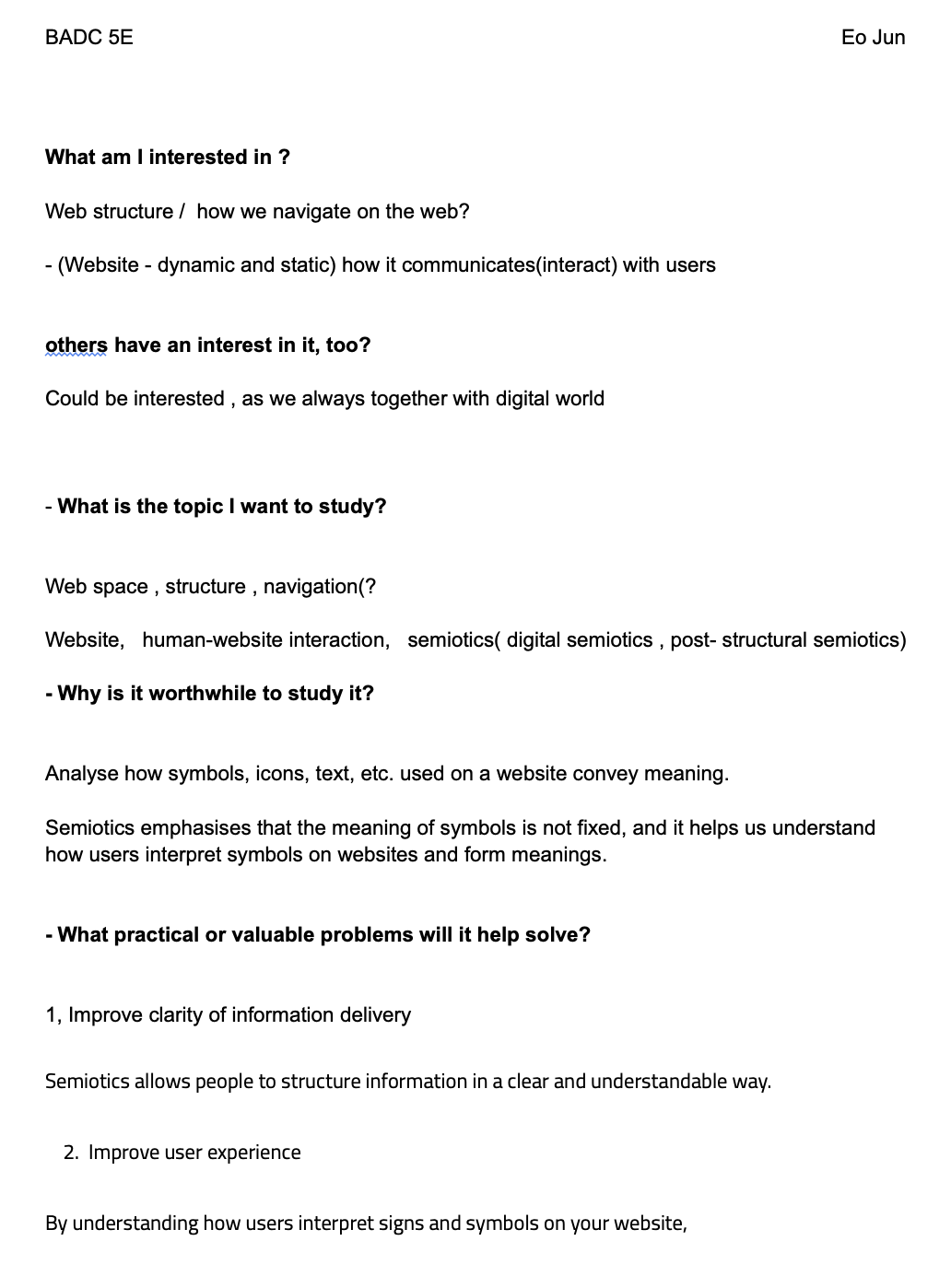
I have decided to answer the pre-question to determine the 3 Pillars related to RPO (contents in next page).
Web space, structure, navigation - these were the basic keywords for creating the 3 pillars, but I received feedback that the topics should be specified into ( Webspace - what kind of navigation on the web to study) ( Structure - what kind of structure to create.) ( Navigation - Where to study navigation ( Mobile or web))
Because I only organised so much material on hypertext and non-linear, I felt like there was a lack of research on other fields. So I defined the web as a knowledge web and set the research direction as how to achieve non-linear navigation on the knowledge web. I've tried to readjust it a bit more clearly based on the questions.
Redefined 3 pillars
- Knowledge Web
- linear action
- Non linear action
Wiki research
After receiving feedback on the RPO, I decided to narrow my research focus to knowledge webs. As part of this, I was assigned the task of exploring Wikipedia, one of the most prominent knowledge webs. To be honest, the project I want to pursue involves expressing non-linear movement in a web-based format, but I didn’t realize I had to choose a specific web as the focus. So, I plan to explore Wikipedia to organize some of my unstructured thoughts.
Through the analysis of Wikipedia, I felt like I had some direction on how to create a click-based navigation method for a non-linear approach and in order to create a navigation system considering the characteristics of the knowledge web, I had to think about what was lacking in the current knowledge web and what needed to be improved.
Insight
1. The Need for User-Directed Navigation
A non-linear, click-based navigation approach helps users access the information they want more quickly. In the case of Wikipedia, where users often need to sift through large amounts of information, a non-linear method that allows users to click on specific topics or keywords to jump directly could be advantageous.
2. Identifying Areas for Improvement in Knowledge Webs
Wikipedia's navigation system still felt functional and usable, but it seemed to need improvement. For example, the monotonous movement between hypertexts made it easy to forget where you were going.
3. Improving Navigation Efficiency
Moving between hypertext documents in Wikipedia allowed for non-linear movement, but it still used linear navigation, so I thought it might take time. Non-linear structures can reduce the time it takes for users to explore information, increasing the efficiency of knowledge acquisition. This insight could contribute to transforming knowledge webs into more effective, user-friendly platforms.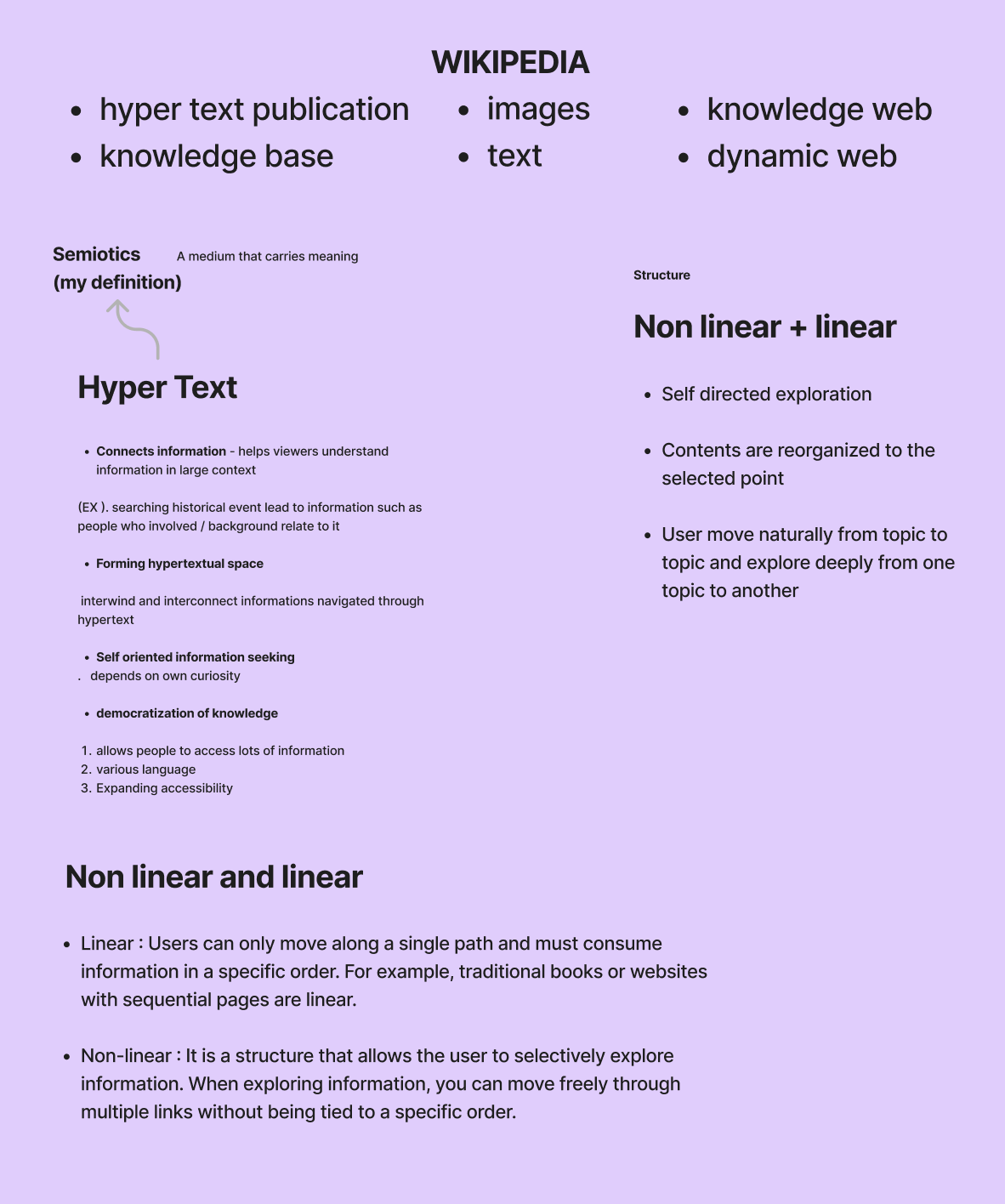
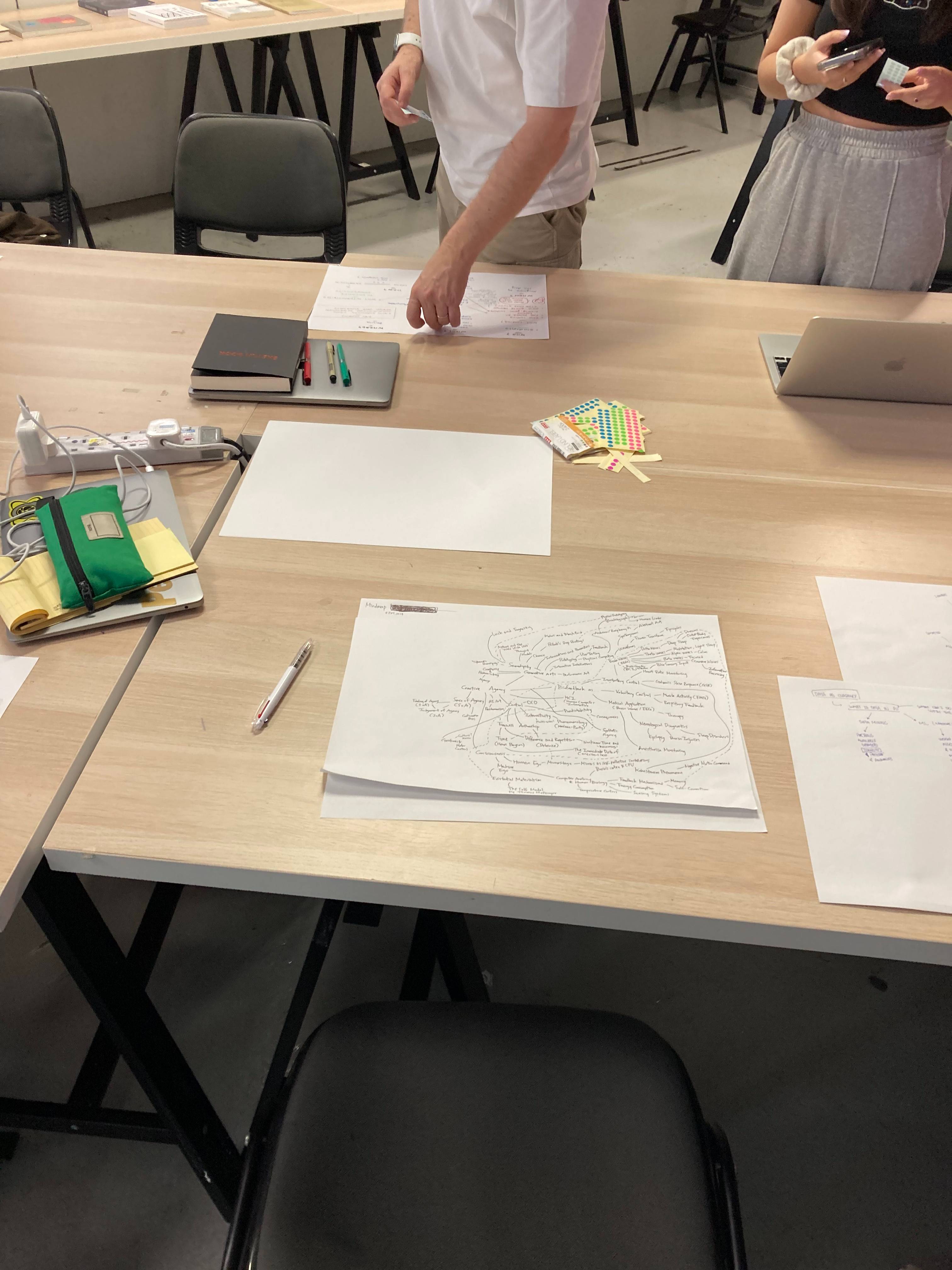
Mindmap exercise
The most voted ones in the mind map were universality and hypertext space, but I wasn't really interested in universality, but nonlinearity and hypertextual were still within my interests. When I was talking about what I gained and what insights I gained through this activity, I realized that my topic wasn't well organized. I still seemed to be interested in how to create the final result rather than thinking about the research approach, and I also had questions about my research flow. In addition, I focused only on the order in which the web grew and specified the result as a webpage, but I realized that the way to classify it was wrong. After receiving feedback that it was too much, I decided to investigate the structure of wekipedia, semiotics, hypertext, etc. by Tuesday, W5.
Through the activity of making a mind map, I was able to organize my unorganized thoughts and realize what parts were lacking in the project. My current research seems to cover too many areas, so I planned to divide it into three parts and subdivide it.
Visual references
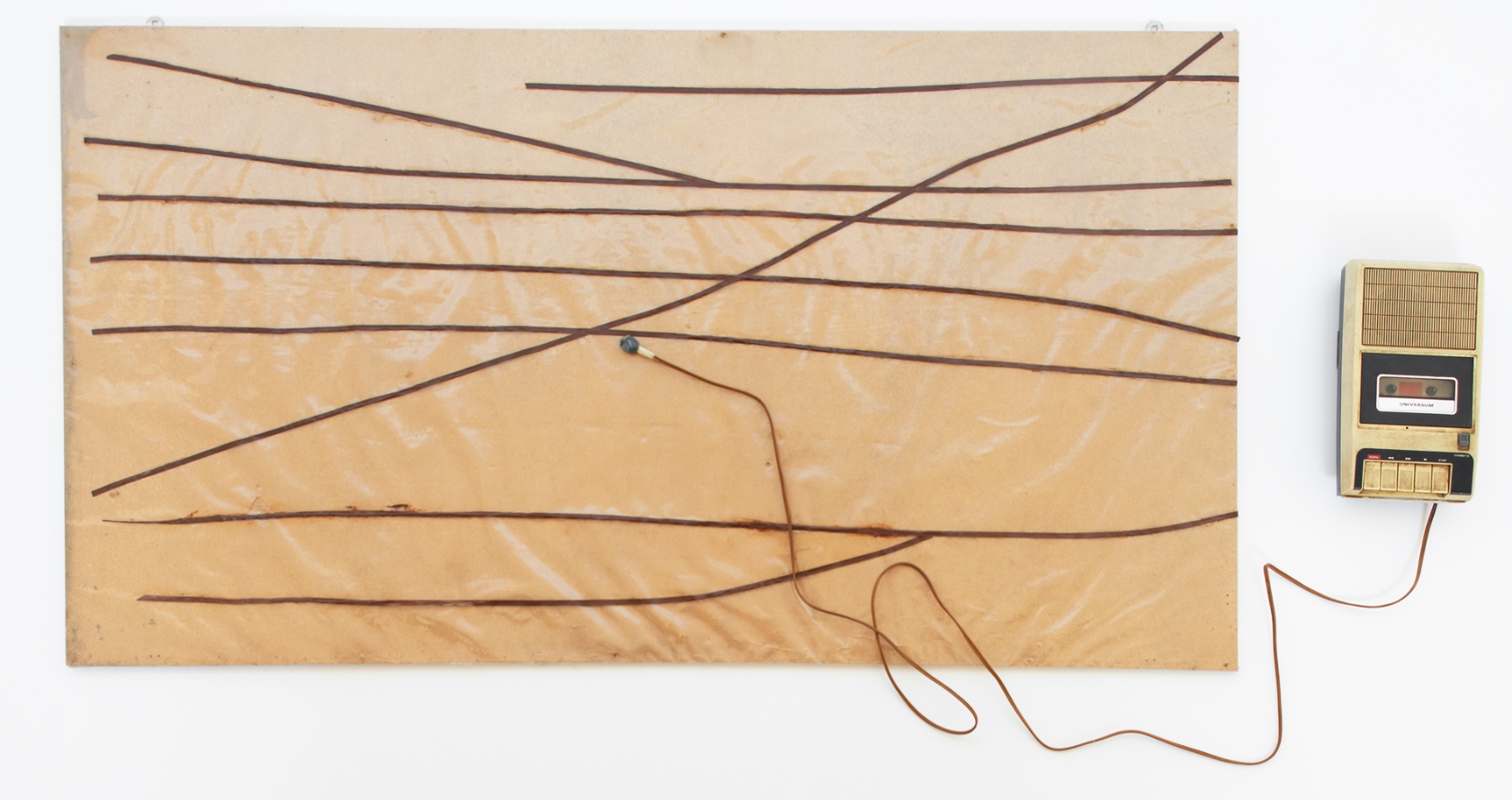
Random access installation by Nam June Paik
“This "Random Access" audio installation. The original version of this hands on interactive sound work had audio tapes glued to the wall. These are activated by the visitors with the audio head plugged to the tape recorder with a cable extension. Thus tape, a medium of sound reproduction, is turned into a creative instrument. While the 1963 original was subsequently lost, Paik has recreated later versions on various occasions.” I think this is a representative example of a non-linear approach that allows users to actively manipulate content.I also felt it was very autonomous in that it allowed random access.I was inspired by the fact that different results are produced depending on the direction the user chooses, and I think it was a great help in deciding how to approach future projects.
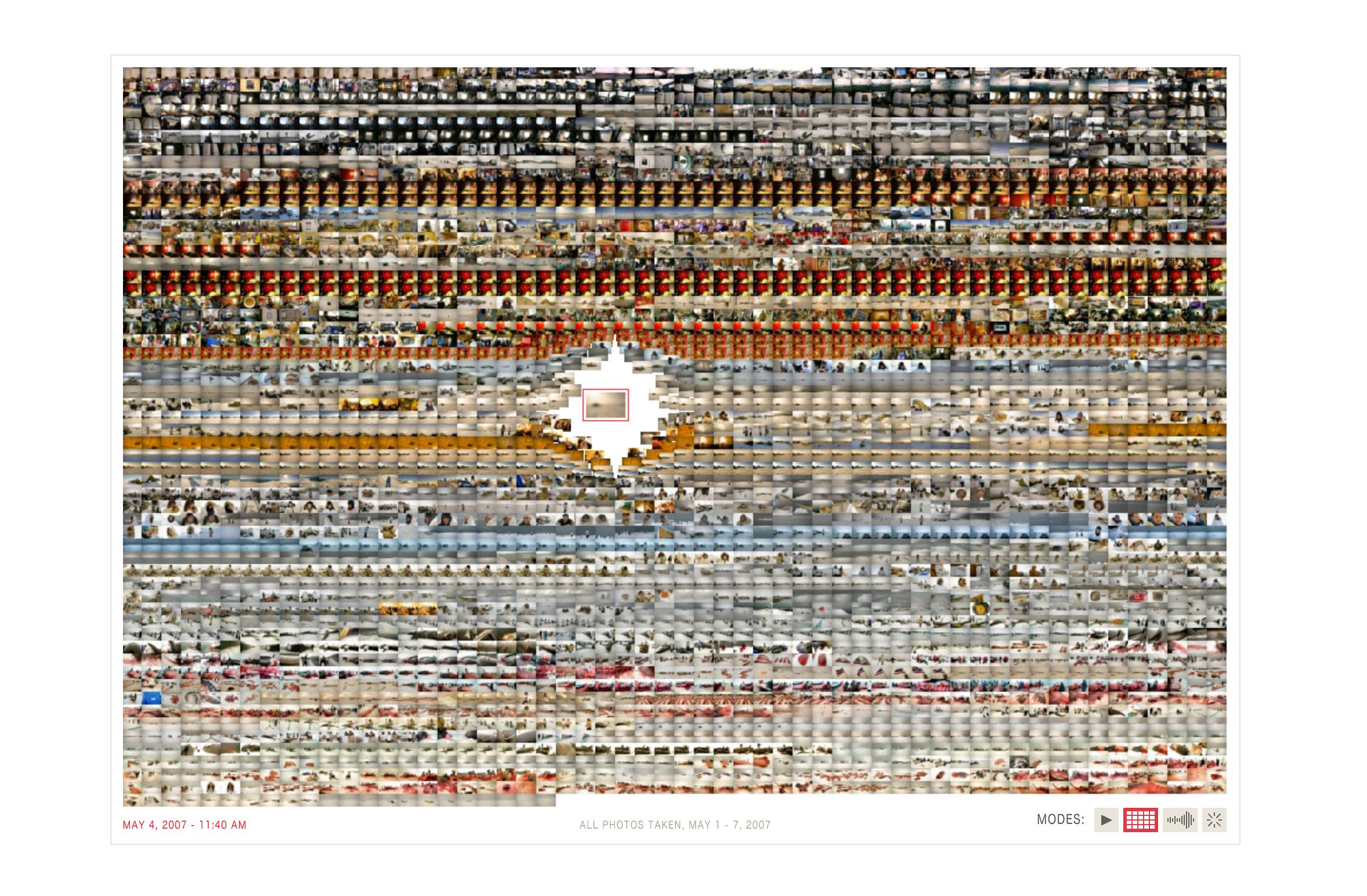
Whale hunt - photography project by Jonathan Harris
I found a visual example of my nonlinear concept. It was a photography project based on storytelling using nonlinear user navigation called whale hunt. It was impressive in the way the photos were arranged and in the way the user could start the story from any photo they wanted. As I was focusing on documents using a non-linear method, I was immersed in the study of 'hypertext', but through the example work, I was able to think about a different approach.